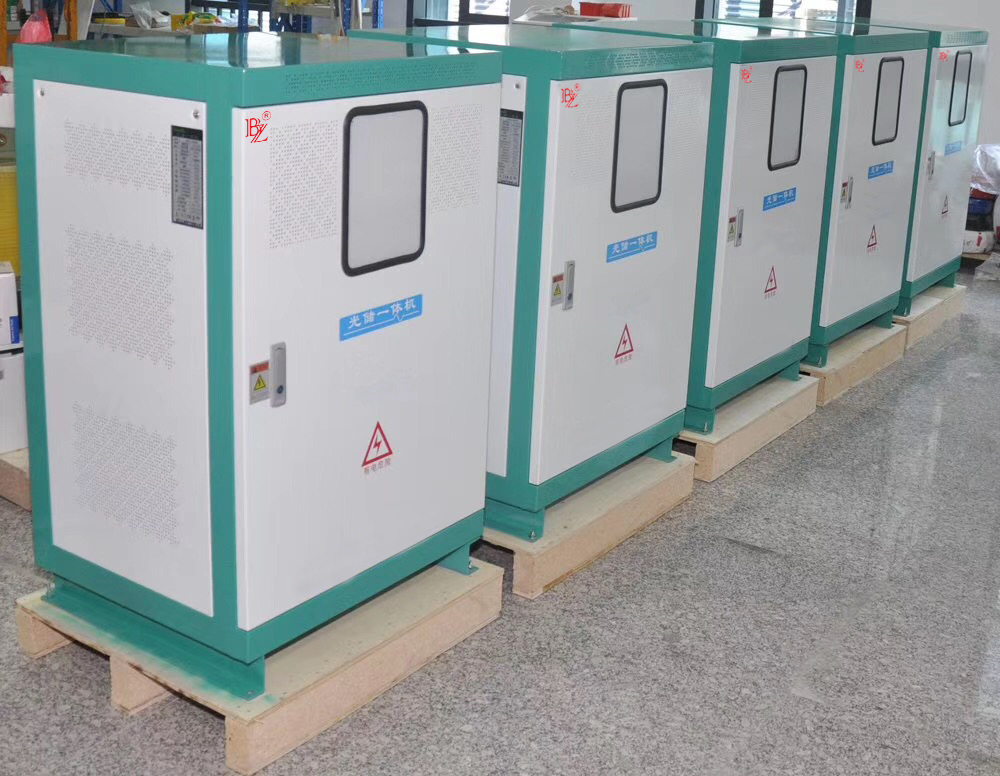
When you're thinking about diving into solar energy for your power needs, picking the right Solar Charger Inverter is a pretty big deal. It’s key to getting the most out of your system and making sure your power conversions go smoothly. At Bangzhao Electric Co., Ltd., we've spent the last ten years really focusing on creating innovative solutions—things like advanced lithium battery storage and all kinds of inverters. We’re experts in Pure Sine Wave Inverters and bi-directional energy storage systems, so we’re here to help you make smarter choices that boost your energy independence. In this guide, we'll walk through the main factors to keep in mind when choosing a solar charger inverter. Our goal is to help you match your specific energy needs with the latest tech on the market. Understand these points, and you’ll not only manage your energy better but also get the most out of solar power in your everyday life.
Understanding Your Energy Needs and Usage Patterns
Getting a good handle on your energy needs and daily usage habits is pretty much essential when you're trying to pick out the right solar charger inverter. The first thing you wanna do is take a look at your electricity bills to see how much electricity you’re using each month on average. Break that down into a daily number—that way, you’ll know exactly how much solar power you need to generate. Think about the devices and appliances you use all the time, and check their wattage. Making a list of your must-have gadgets helps you figure out what’s most important in your energy plan.
Then, it’s a smart move to pay attention to your usage patterns throughout the day. Notice when your energy consumption tends to be highest, because that can really influence what size and type of inverter you should go for. For example, if you’re mainly running high-wattage stuff during the daytime, you’ll want an inverter that can handle that load without a hitch. Also, don’t forget to consider how your energy use might shift with the seasons. Recognizing these patterns can help you decide if you need a battery backup to store extra energy during sunny hours—perfect for nights or cloudy days when solar production drops off. When you get a good handle on all this, you’ll be in a much better position to pick an inverter that truly matches what you need, without any guesswork involved.
Types of Solar Charger Inverters: Pros and Cons
So, when you're picking out a solar charger inverter, it really pays to understand the different types out there, since each has its own pros and cons. The most common ones you'll run into are string inverters, microinverters, and power optimizers. For example, string inverters are usually pretty budget-friendly and easy to set up, which makes them a solid choice especially if you're working with a smaller system. But, heads up — if your panels get shaded at all, their efficiency dips because the whole string’s performance drops with the worst-performing panel.
On the flip side, microinverters operate independently on each panel, kind of like giving each panel its own little brain. This setup tends to boost energy production, especially if some panels are shaded or facing different directions. They’re usually more durable and can get you more juice out of your system in tricky conditions. That said, they can cost a bit more upfront and might be a tad more complicated to install. Then there are power optimizers, which strike a balance between the two — letting you optimize each panel individually without the hefty price tag of full microinverter systems.
At the end of the day, your choice depends on your specific needs, your budget, and what’s feasible in your installation spot. Take some time to weigh these options — it’s worth it to get the setup that really works for you.
Key Features to Look for in Solar Charger Inverters
When you're shopping for a solar charger inverter, there are a few key features you really wanna keep an eye on to make sure it meets your energy needs without any hassle. First off, check out the inverter’s power output—make sure it’s equal to or higher than what you typically use. It’s also smart to look for models that show both continuous and peak power ratings; that way, you know it can handle those sudden spikes when you’re using a bunch of appliances at once.
Another thing to consider is efficiency. The higher the efficiency, the better, since it means more of the sun’s energy actually gets turned into usable electricity—getting the most out of your solar setup. If you’re planning to store energy, double-check that the inverter plays nice with your existing batteries.
Don’t forget safety features, like overload protection and temperature controls—they’re super important for peace of mind. And having an easy-to-use interface that lets you monitor how things are working is a huge plus, especially if you’re not super tech-savvy. By focusing on these key points, you’ll find a Solar Inverter that fits your needs and helps your whole solar system run smoothly—and maybe even save you some money in the long run.
How to Choose the Right Solar Charger Inverter for Your Energy Needs
| Feature | Description | Importance |
| Output Power Capacity | The maximum power output of the inverter, typically measured in watts. | High |
| Efficiency Rating | The percentage of energy conversion efficiency, indicating how much input energy is converted to output power. | High |
| Portability | Weight and size of the inverter, impacting ease of transport and use in various locations. | Medium |
| Battery Compatibility | Types of batteries the inverter can support for optimal energy storage. | High |
| Built-in Safety Features | Safety mechanisms such as overload protection and short-circuit prevention. | High |
| Warranty Period | Duration of warranty provided by the manufacturer, reflecting reliability. | Medium |
| Price Point | Cost of the inverter, impacting budget considerations. | Medium |
Evaluating Compatibility with Your Solar Panel System
When you're picking out a solar charger inverter, it’s super important to make sure it syncs well with your existing solar panel setup. Did you know that the global microinverter market is expected to jump from $4.12 billion in 2024 all the way up to around $15.4 billion by 2032? That’s a pretty massive growth rate of nearly 18% annually! So, paying attention to compatibility isn’t just a nerdy detail—it really can make a difference in how well your system performs and how efficiently it converts solar energy. Things like voltage and wattage ratings are key; if your inverter and panels aren’t matched up properly, your system might end up working way below its potential, wasting energy and decreasing overall effectiveness.
And here’s the thing—technology’s always evolving. New stuff like biodegradable solar cells are starting to pop up, which is pretty exciting from a sustainability standpoint. But, that also means you need to think beyond just current specs—these newer techs might need different inverter setups to work smoothly. When you’re shopping for an inverter, it’s smart to look at its software features too, like how adaptable it is to future innovations. That way, you’re not just buying something for today, but investing in a solution that’s going to stay relevant as solar tech keeps advancing. Basically, by keeping these things in mind, you can pick an inverter that fits your solar system perfectly, squeeze out more energy, and help you be a part of a greener planet—sounds good, right?
Budgeting for Solar Charger Inverter: Cost vs. Benefit
Thinking about buying a solar charger inverter? One thing you really can’t ignore is your budget. These systems can get pretty pricey, and the cost varies a lot depending on the tech, brand, and size you’re after. Looking at the market trends, it’s pretty exciting—experts say the global microinverter market is expected to grow from around $4.12 billion in 2024 all the way up to $15.4 billion by 2032. That’s a solid annual growth rate of nearly 18%! This boom basically shows how more and more folks are jumping on the renewable energy bandwagon, and it really highlights the long-term perks of investing in these systems.
When you’re trying to figure out which solar charger inverter fits your energy needs, it’s all about balancing what you’re spending upfront with the savings you’ll see on your energy bills later—and of course, the positive impact on the environment. Going for top-notch systems from reputable brands, especially those with a solid decade of experience in lithium battery storage and pure sine wave inverters, can really pay off. They tend to be more efficient and last longer, which saves you headaches down the line. In the end, finding that sweet spot between cost and performance is key to making the most of your energy setup and making sustainable choices that last.
Warranty and Support: What to Consider Before Buying
When you're on the hunt for a solar charger inverter, don’t overlook the importance of warranty and support — these can really make a difference in how happy you’ll be with your investment down the line. I came across a report from the Solar Energy Industries Association (SEIA) that points out inverters are actually one of the most vital parts of any solar setup. They handle the tricky job of turning that direct current (DC) from your panels into the alternating current (AC) that powers your home. Usually, warranties for inverters run anywhere from 5 to 12 years, but if you can find a model with a longer warranty, it’s definitely worth considering — it gives you some peace of mind and offers protection against possible malfunctions.
Some companies even back their products with warranties up to 25 years, which really shows they believe in their durability.
And don’t forget to look into the customer support you’ll get from the manufacturer. I saw a survey from EnergySage in 2022 that mentioned 70% of homeowners treat reliable customer service as a really key factor when picking out their solar gear. So, it pays to go with a company that’s known for responsive, helpful support — because when issues crop up, having that support can save you a lot of headaches. Checking out reviews and ratings online can also give you a good idea of how well a company supports their products, helping you make a smarter choice that matches what you need from your solar system.
Optimizing Off-Grid Solar Systems with the MPPT Charge Controller: A Comprehensive Guide to 192V~480V Solutions
In the quest for sustainable energy solutions, optimizing off-grid solar systems with high-voltage MPPT (Maximum Power Point Tracking) charge controllers stands out as an essential advancement. These intelligent devices serve as the "brain" of photovoltaic power generation systems, effectively managing and maximizing the energy harvested from solar panels. With the ability to perform real-time monitoring, high-voltage mppt charge controllers continuously assess the voltage output from solar panels, dynamically adjusting to capture the optimal current and voltage levels.
This advanced technology employs a sophisticated MPPT algorithm that ensures the system is always operating at peak performance. With a tracking efficiency exceeding 99%, these charge controllers minimize energy waste and maximize the utilization of solar energy. Their capabilities are critical for those relying on off-grid solutions, where every ray of sunlight counts. By integrating a high-voltage MPPT charge controller into your solar system, you not only enhance energy efficiency but also contribute to a more sustainable power generation system that is capable of meeting the demands of modern energy use.
FAQS
: You can start by analyzing your electricity bills to determine your average monthly usage and then break it down into daily consumption, considering the wattage of the devices and appliances you regularly use.
You should note when your energy consumption peaks and consider seasonal variations, as these can affect the size and type of inverter you need, as well as whether a battery backup system is necessary.
The main types are string inverters, microinverters, and power optimizers. Each has its pros and cons, such as cost, installation complexity, and efficiency under different conditions.
Microinverters provide independent panel operation, enhancing energy production especially in partially shaded areas and increasing overall system resilience, though they tend to be more expensive initially.
Power optimizers offer panel-level optimization similar to microinverters but at a lower upfront cost, combining benefits of both types without requiring fully integrated systems.
Budgeting is critical because the costs can vary significantly based on technology, brand, and capacity. It’s essential to weigh initial expenses against potential long-term savings and environmental benefits.
The global microinverter market is projected to expand significantly, from $4.12 billion in 2024 to $15.4 billion by 2032, indicating a growing commitment to renewable energy solutions by consumers.
By investing in high-quality systems and striking the right balance between cost and performance, you can achieve greater efficiency and durability, leading to sustainable energy consumption in the long run.
Conclusion
Picking the right solar charger inverter is super important if you wanna get the most out of your solar setup. I mean, start by really figuring out what your energy needs and habits are—this way, you’ll choose a model that actually fits. It helps to get familiar with the different inverter types out there, weighing their pros and cons. Don’t forget to look at key features like how efficient they are, their capacity, and how easy they are to install. Also, make sure it plays nicely with your current solar panel system so you don’t run into any headaches trying to connect everything.